What Is A/B Testing on YouTube?
Before you can leverage data to grow your channel, you need to understand the core concept.
Simple Definition
A/B testing on YouTube involves comparing two or more versions of your video packaging to see which one performs better. You take a single video and create a "Version A" thumbnail and a "Version B" thumbnail. You then show both versions to your audience and track which one generates more clicks and watch time.
What You Can Test
When we talk about packaging a video, we primarily focus on the elements a viewer sees before they click. You can test your thumbnails to see which design catches the eye. You can test your titles to see which phrasing builds more curiosity. You can also test combinations of both to see how the title and thumbnail work together.
Why It Matters
A/B testing eliminates the guesswork from your YouTube strategy. You no longer have to debate with your team or trust your gut instinct about which design looks better. Testing gives you hard, undeniable data straight from your viewers. When you base your decisions on actual audience behavior, your channel grows much faster.
How A/B Testing Works on YouTube
Testing your packaging might sound complicated, but the process is actually quite straightforward. You have two main ways to execute a test.
YouTube’s Native Testing Tool
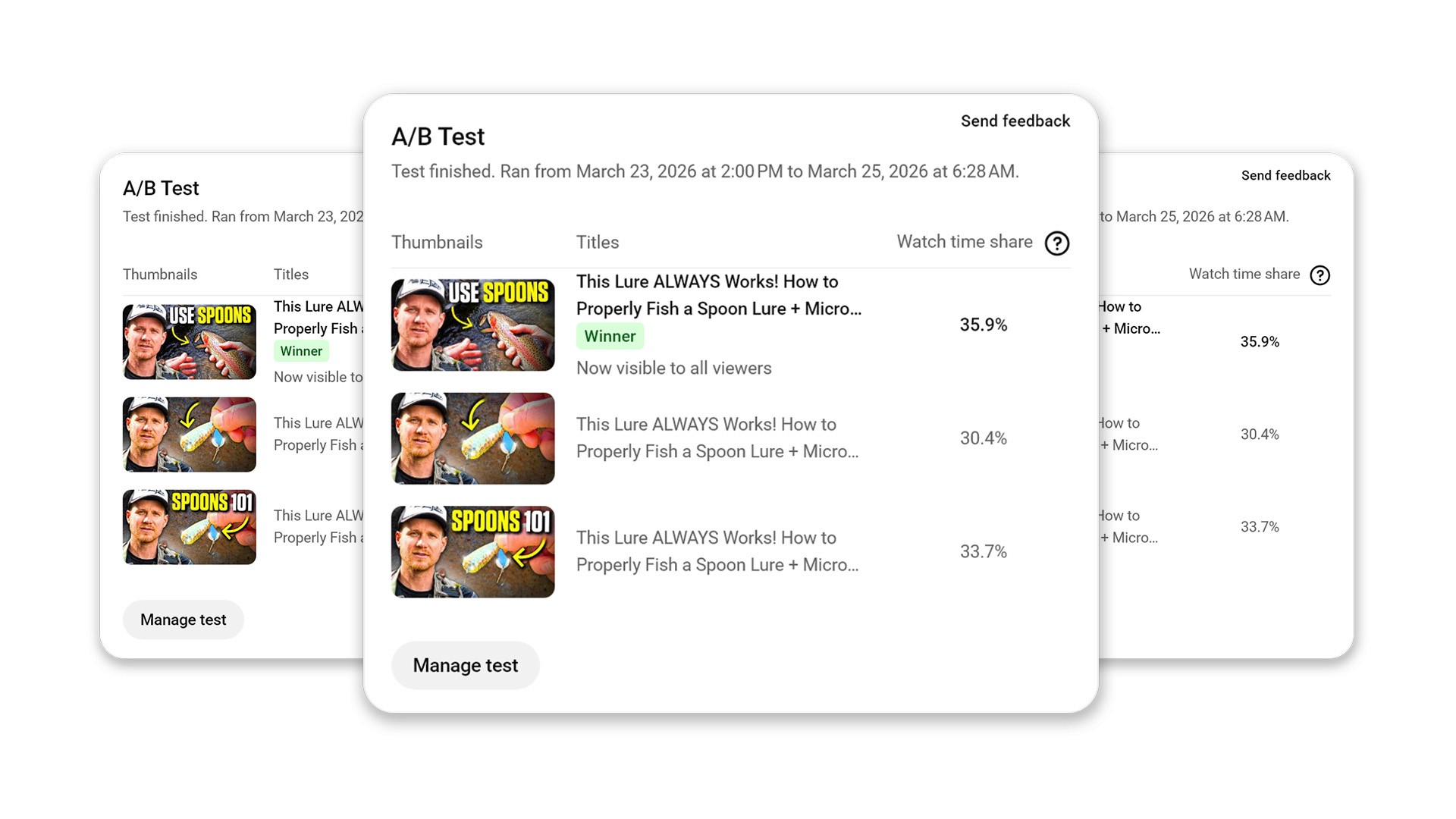
YouTube now offers a built-in "Test & Compare" feature for thumbnails. When you upload a video, this tool allows you to upload up to three different thumbnails. YouTube's system automatically rotates these versions, showing them evenly to your viewers. After gathering enough data, the platform determines a clear winner based on watch time share and sets it as the permanent thumbnail.
Manual Testing (Without Tools)
If you do not have access to native features, you can run manual tests. To do this, publish your video with Version A of your thumbnail. Let it run for 24 hours and record the CTR and average view duration. Then, swap it out for Version B. Wait another 24 hours and compare the analytics. While this method is less precise than simultaneous testing, it still provides valuable directional data.
What YouTube Actually Measures
When you run a test, you are not just looking for raw clicks. The algorithm measures CTR to see if people are interested. It also measures watch time to ensure the thumbnail delivers on its promise. Finally, it looks at overall performance metrics to judge if the packaging satisfies the viewer.
What Are the Benefits of A/B Testing?
Taking the extra time to design multiple thumbnails might feel like a chore. However, the return on investment makes it incredibly worthwhile.
Higher CTR
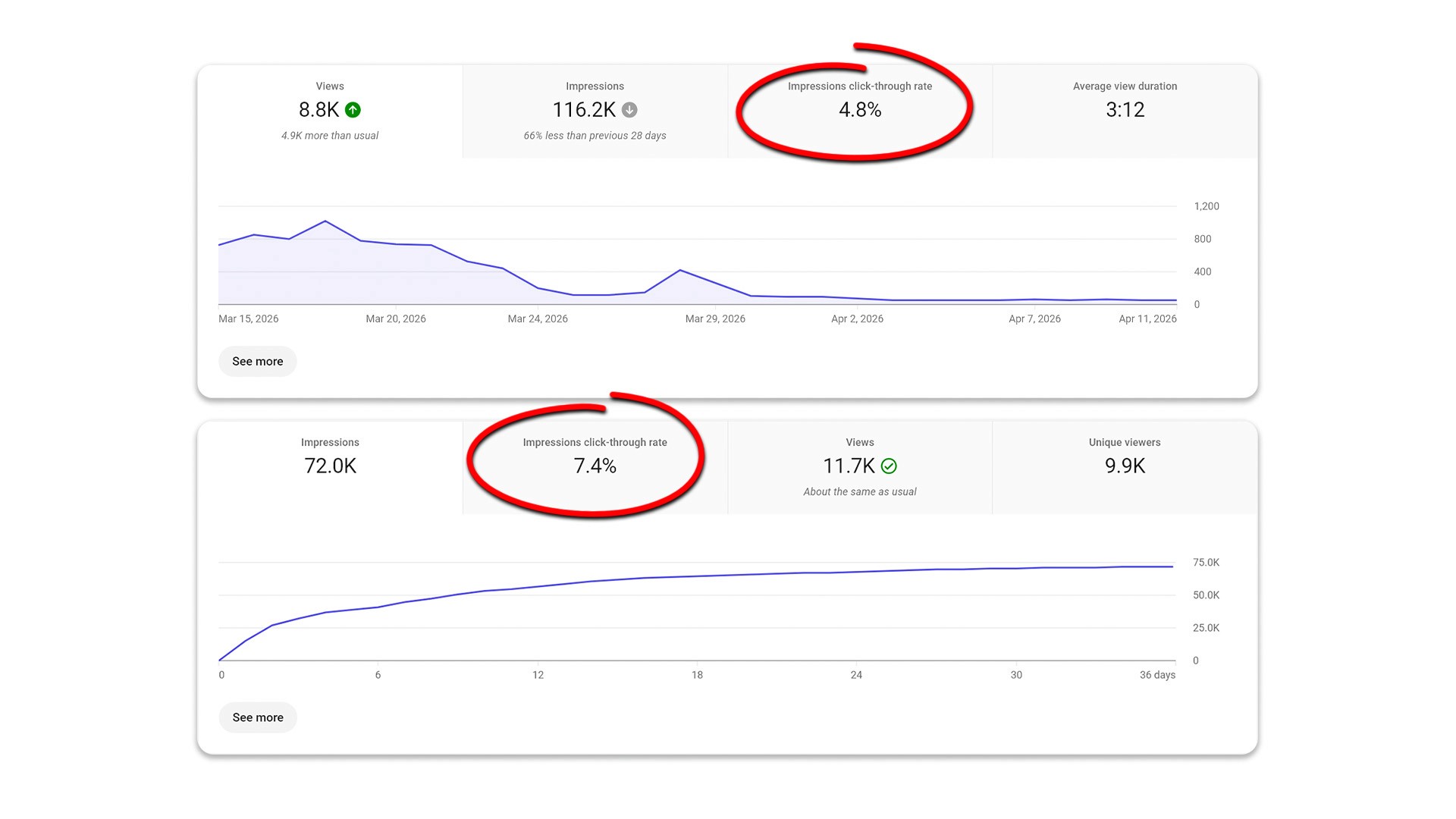
The most immediate benefit of testing is an increase in clicks. When you A/B test thumbnails, you figure out exactly what visual triggers appeal to your audience. A better match between your packaging and the viewer's desires naturally leads to a higher click-through rate.
More Views Without Uploading More
Creating new videos takes an enormous amount of energy. Testing allows you to squeeze more views out of the videos you already made. If a video gets 100,000 impressions with a 4% CTR, you get 4,000 views. If a thumbnail test bumps that CTR to 8%, you instantly double your views without filming anything new.
Understanding Your Audience
Data tells a story. When you run consistent tests, you learn exactly what your viewers care about. You learn whether they prefer bright colors, specific facial expressions, or certain text layouts. You discover what they click eagerly and what they scroll right past.
Long-Term Growth
Over time, this data helps you build pattern recognition. As you learn what works, your "first guess" thumbnails will become much stronger. You will develop a deep understanding of human psychology in your specific niche, leading to sustained, long-term channel growth.
What Should You A/B Test First?
If you try to change everything at once, you will never know what actually caused your views to spike or drop. You need to prioritize your tests.
Thumbnails (Highest Impact)
Always start with your thumbnail. The thumbnail serves as the visual anchor on a crowded screen. It has the largest, most direct impact on whether someone stops scrolling. Focus your energy on testing striking visual differences before you touch anything else.
Titles (Second Layer)
Once you find a winning visual style, move on to your titles. Titles add vital context and build curiosity. A great title can push a hesitant viewer over the edge and convince them to click. Test different lengths, power words, and phrasing.
Packaging (Thumbnail + Title Together)
Eventually, you will want to test the holistic package. Your thumbnail and title should work as a team. Do not repeat the same words in both places. Instead, use the thumbnail to grab attention and the title to explain the value of the video.
Step-by-Step: How to A/B Test on YouTube
Ready to run your first experiment? Follow this simple framework to ensure your tests yield actionable results.
Step 1: Create Two Strong Variants
Do not test an amazing thumbnail against a terrible one just to prove a point. Create two distinct, high-quality concepts. Take entirely different approaches to the same topic to see which angle resonates more with your audience.
Step 2: Change One Variable
For the most accurate data, isolate your variables. If you want to know if text works better than no text, keep the background and subject exactly the same. If you change the text, the background, and the subject all at once, you will never know which element drove the clicks.
Step 3: Run the Test Long Enough
Patience is vital. Let your test run for at least 24 to 72 hours. The exact time depends on how many impressions your video gets. If you have a small channel, you might need to run the test longer to gather enough statistically significant data.
Step 4: Compare Results
Once the test concludes, dive into your YouTube Studio analytics. Look closely at the CTR for both variants. More importantly, check the average view duration.
Step 5: Double Down on Winners
When you find a winning formula, use it. Apply the visual style, font choice, or phrasing of your winning variant to your future uploads. This creates a cycle of continuous improvement.
Best A/B Testing Ideas (That Actually Work)
If you feel stuck, try these proven testing concepts to kickstart your experiments.
Different Emotions
Faces drive clicks. Test a neutral, mysterious expression against a shocked or highly energetic expression. Different emotions set different expectations for the video's tone.
Text vs No Text
Many creators clutter their designs with too many words. Test a minimalist, text-free design against a design with two or three bold words of curiosity-inducing text.
Bright vs Dark Background
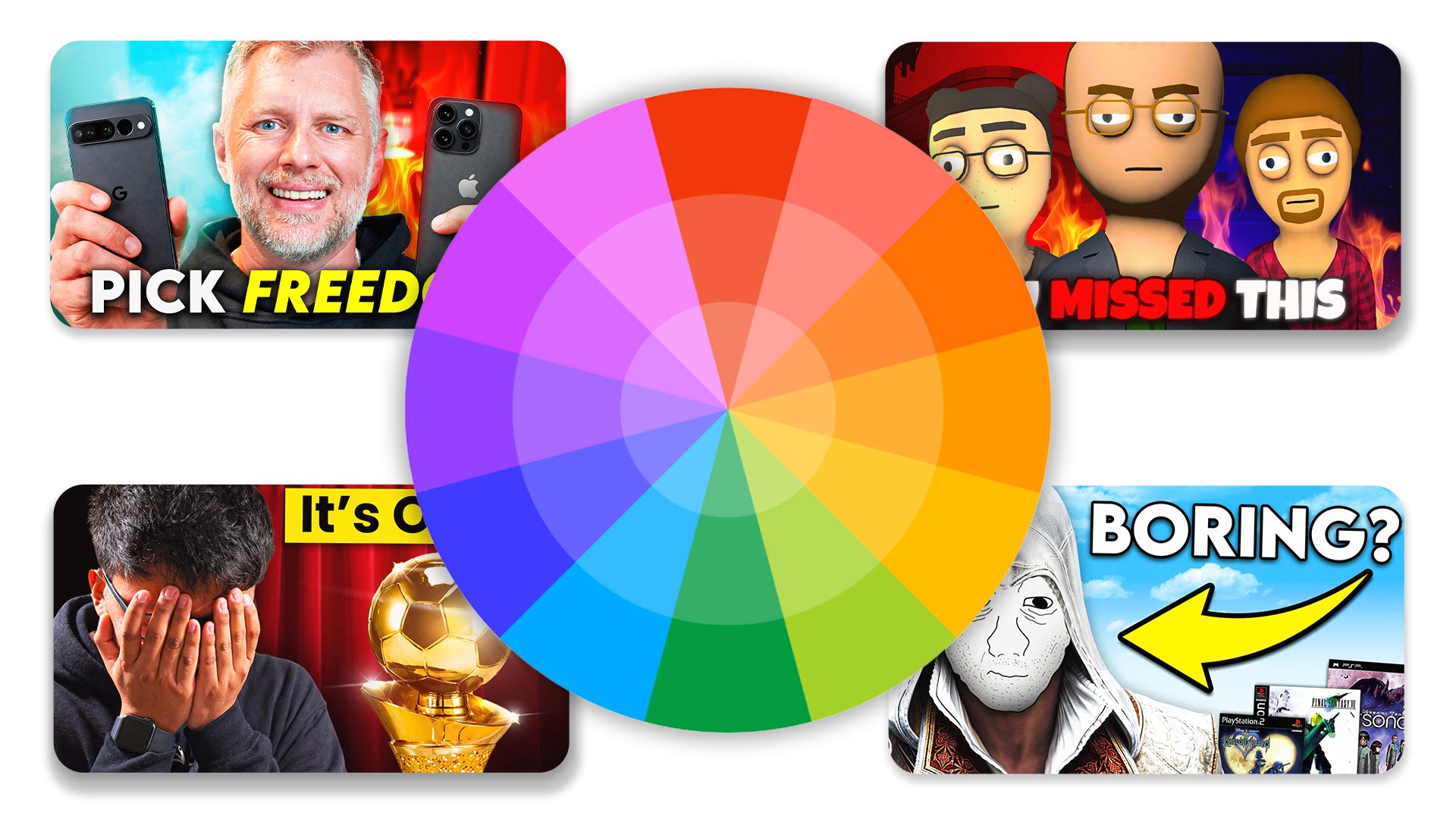
Contrast matters. Test a brightly colored background against a dark, moody background. See which aesthetic pops better on the YouTube interface for your specific audience.
Zoomed In vs Zoomed Out
Sometimes viewers need context; sometimes they want the detail. Test a wide shot showing the entire scene against an extreme close-up of the most important element in the video.
Common A/B Testing Mistakes
Even the best creators make errors when analyzing their data. Avoid these pitfalls to keep your channel moving forward.
Testing Too Small Changes
If you only change the color of a tiny font from light blue to dark blue, the viewer will not notice. If the viewer does not notice, your data will not change. Test bold, significant differences.
Ending Tests Too Early
Do not panic and stop a test after two hours just because one version is losing. Give the algorithm time to show the variations to different segments of your audience.
Ignoring Watch Time
This is the most dangerous mistake you can make. If Version A gets a 10% CTR but people leave after five seconds, it is clickbait. If Version B gets a 6% CTR but people watch for ten minutes, Version B is the actual winner.
Testing Everything at Once
As mentioned earlier, changing the title, the thumbnail concept, and the color scheme simultaneously ruins your data. Keep your tests clean by isolating specific variables.
How to Read A/B Test Results
Data is useless if you cannot interpret it. Here is how to read the three most common outcomes of a test.
High CTR + High Retention
This represents the holy grail of YouTube. Your packaging perfectly grabbed attention, and your video perfectly delivered on the promise. Study this video closely and replicate the strategy.
High CTR + Low Retention
You promised something you did not deliver. Your packaging might be misleading, or the introduction of your video is too boring. You need to fix the alignment between the thumbnail and the content.
Low CTR + High Retention
Your video is fantastic, but nobody wants to click it. The content is strong, but the packaging is weak. You need to drastically redesign the thumbnail to better communicate the value of the video.
When Should You A/B Test?
You can deploy tests at various stages of a video's lifecycle to maximize its potential.
New Uploads
The first 48 hours of a video's life are crucial. Running a test immediately upon upload ensures you put your best foot forward when YouTube is aggressively pushing your content to your subscribers.
Underperforming Videos
If a video bombs on day one, do not accept defeat. Swap the thumbnail and title to see if you can revive it. A fresh coat of paint can often save a dying video.
Evergreen Content
Look at videos you uploaded six months ago that still get daily search traffic. Running tests on these older videos can incrementally increase their daily views, leading to massive long-term gains.
Final Thoughts
You cannot build a sustainable YouTube channel purely on luck. You need a system. A/B testing gives you an unfair advantage over the majority of creators who refuse to look at their data.
When you prioritize data over personal opinions, you improve YouTube CTR predictably. You start creating packages that viewers literally cannot resist clicking. Stop hoping for a random viral hit. Start testing your ideas, learn from your audience, and build a channel that grows consistently month after month.
Frequently Asked Questions
What is A/B testing on YouTube?
A/B testing involves comparing two versions of a video's thumbnail or title to see which one generates a higher click-through rate and better watch time.
Does YouTube have built-in A/B testing?
Yes, YouTube has introduced a native "Test & Compare" feature for thumbnails, allowing creators to upload up to three variations to test simultaneously.
How long should I run a test?
You should run an experiment for at least 24 to 72 hours, or until the video has accumulated enough impressions to provide statistically significant data.
What should I test first?
Always test your thumbnails first. They are the primary visual element and have the biggest immediate impact on your click-through rate.
Can A/B testing increase views?
Absolutely. Improving your CTR through testing means more people click on your video out of the same number of impressions, resulting in more views without creating new content.
Recent Blog